Entering the medical field is an exhilarating journey filled with new challenges and opportunities. For newly practicing physicians, the first five years are critical for establishing a solid professional foundation. However, amidst the whirlwind of patient care, continuous education, and navigating the complexities of the healthcare system, one crucial aspect often gets overlooked: media visibility and personal branding.
The Problem: Underestimating Media Visibility
For many new doctors, the idea of public relations (PR) and media visibility seems distant and irrelevant. Medical school rigorously prepares physicians for clinical excellence but often neglects to address the significance of self-promotion and media engagement. As a result, many young doctors are unaware of the profound impact that effective PR can have on their careers.
The Consequences of Overlooking PR
Failing to recognize the importance of media visibility can lead to several negative consequences:
- Missed Opportunities for Professional Growth: Media visibility can open doors to speaking engagements, writing opportunities, and positions on advisory boards. Without it, young doctors might miss out on these valuable career-enhancing experiences.
- Limited Patient Reach: In today’s digital age, patients often seek information online before choosing a healthcare provider. A strong online presence, bolstered by media features and articles, can significantly enhance a physician’s credibility and attract a broader patient base.
- Reduced Influence in the Medical Community: Doctors who actively engage with the media can influence public health policies, contribute to medical advancements, and become thought leaders in their specialties. Without media visibility, their voices may remain unheard in these crucial conversations.
Overcoming the PR Challenge
While the importance of media visibility is clear, many young physicians feel ill-equipped to navigate the PR landscape. Here are three practical solutions to overcome this challenge:
1. Leverage Social Media
Social media platforms are powerful tools for building a personal brand and engaging with a wider audience. Here’s how to get started:
- Choose the Right Platforms: Focus on platforms that align with your professional goals. LinkedIn is excellent for professional networking and profile, Twitter is ideal for sharing quick medical insights to show you are an authority who is aware of the latest news, and Instagram can be used to show both what you do and who you are to make you more relatable.
- Create Valuable Content: Share your expertise through articles, blog posts, and videos. Discuss medical topics, share patient success stories (with permission), and provide health tips. Consistency is key to building a loyal following.
- Engage with Your Audience: Respond to comments, participate in relevant discussions, and collaborate with other healthcare professionals and influencers. Engagement helps build a strong, interactive community around your brand.
2. Build Relationships with Journalists
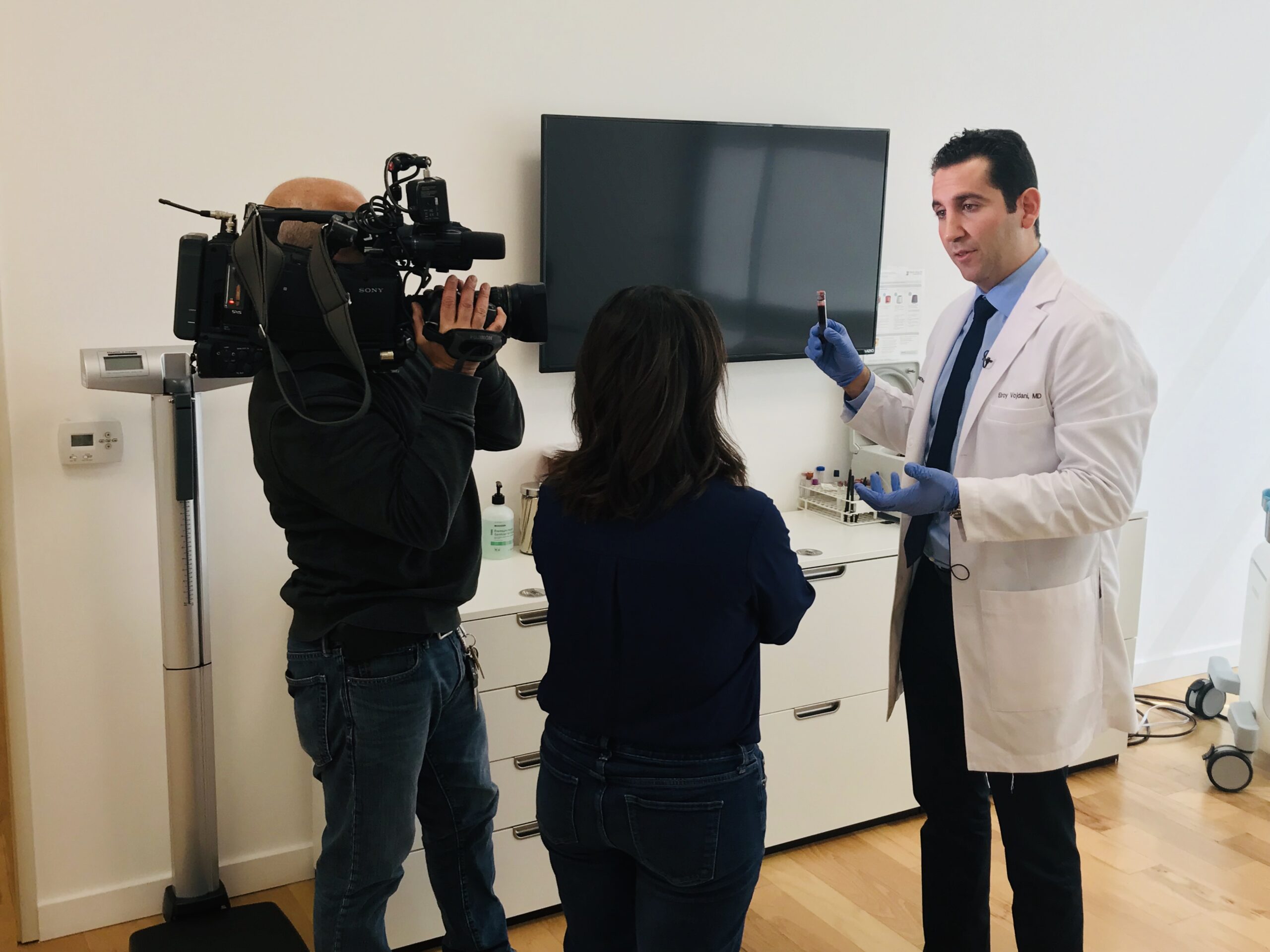
Developing relationships with journalists and media professionals can lead to opportunities for interviews, features, and quotes in reputable publications. Here’s how to do it:
- Identify Relevant Media Outlets: Focus on health or beauty magazines, men or women’s publications (depending on your target patient) and local news outlets that cover healthcare and/or lifestyle topics.
- Reach Out Professionally: Introduce yourself via email, offering your expertise on relevant topics. Provide a brief bio, highlighting your unique insights and willingness to contribute.
- Be Available and Reliable: Journalists appreciate sources who are responsive and reliable. Always be prepared to provide valuable insights quickly when contacted.
3. Become a Contributor
Contributing articles to medical journals and public health publications can establish you as an authority in your field. Here’s how to approach this:
- Identify Target Publications: Choose publications that align with your specialty and professional goals. Medical journals, health magazines, and even mainstream media outlets often seek expert opinions and articles.
- Pitch Your Ideas: Develop compelling article pitches that highlight your expertise and the relevance of your topic. Tailor each pitch to the specific publication’s audience and editorial guidelines.
- Maintain a Writing Schedule: Regularly contribute articles to build a portfolio of published work. This not only enhances your credibility but also keeps you on the radar of editors and journalists.
In the first five years of practice, young doctors have a unique opportunity to build a strong foundation for their careers. By recognizing the importance of media visibility and taking proactive steps to enhance their PR efforts, they can unlock new opportunities, reach a broader audience, and establish themselves as leaders in the medical community. Embracing these strategies not only benefits individual careers but also contributes to the broader goal of advancing healthcare and improving patient outcomes.